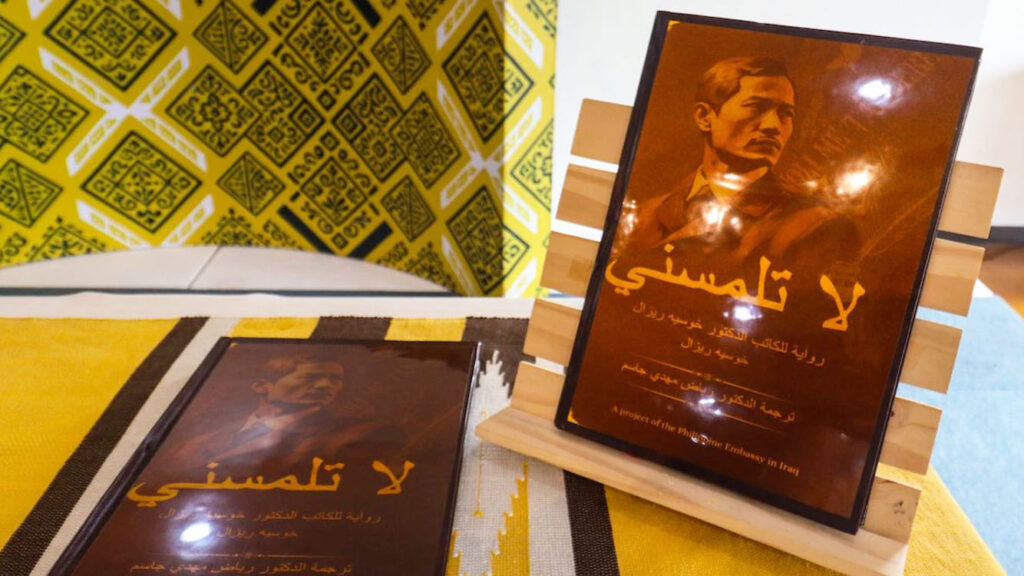
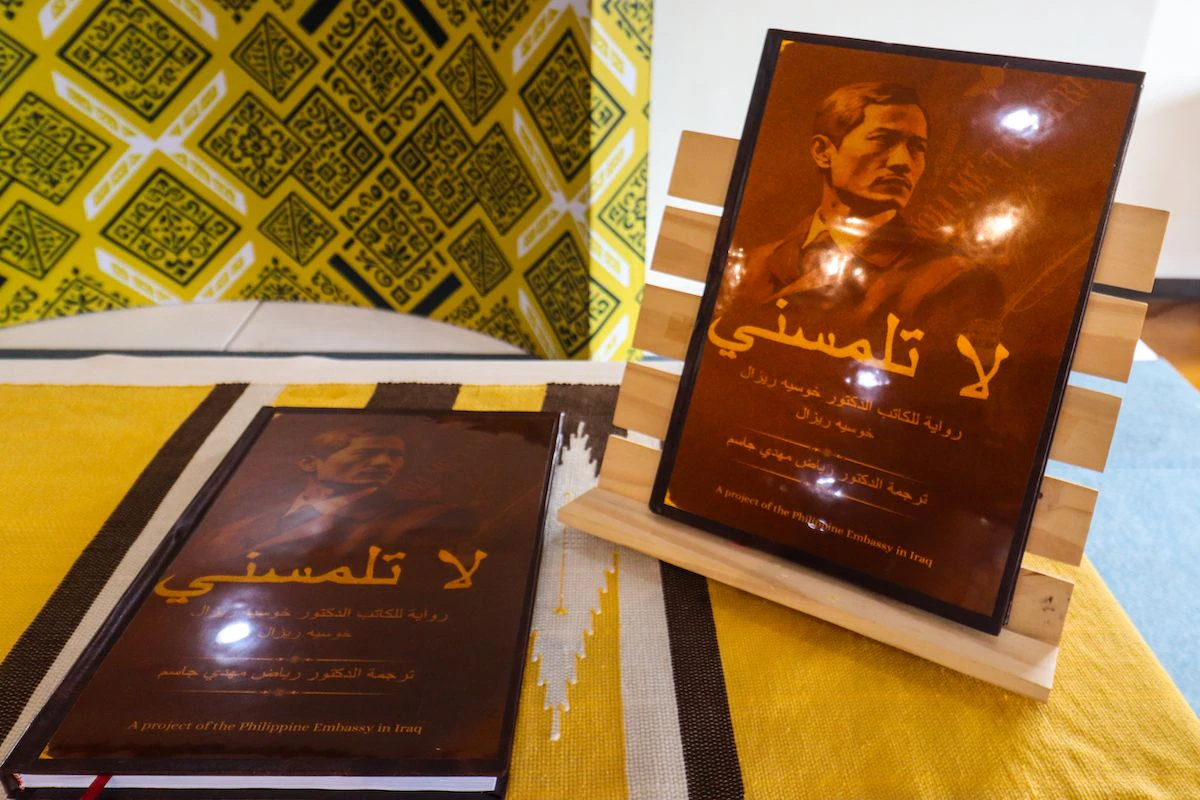
MANILA — The National Commission for Culture and the Arts (NCCA) joined the Philippine Embassy in Baghdad and the National Historical Commission of the Philippines (NHCP) in signing a memorandum of agreement for the translation of “Noli Me Tangere” into Modern Standard Arabic, reaffirming its support for increasing access to Philippine historical literature.
On February 9, at the NHCP Building along T.M., the agreement was signed. Kalaw Avenue in Ermita, Manila, in collaboration with the Office of Cultural Diplomacy of the Department of Foreign Affairs and the Philippine Embassy in Baghdad.
The project’s goal is to enable Arabic-speaking readers to access Dr. Jose Rizal’s 1887 book. “Noli Me Tangere,” which was first written in Spanish and portrays socioeconomic inequalities during the Spanish colonial era, is considered a founding work of Philippine literature and nationalism.
Regalado Trota Jose Jr., the chairman of the NHCP, emphasized the importance of the effort in his remarks.
“Readers from Arabic-speaking countries, some of which are represented here today, are the target audience for this Arabic-translated edition of ‘Noli Me Tangere,'” Jose stated. “Despite being a work of fiction, Rizal’s novel effectively conveys the Philippines’ hopes for freedom and equality during the Spanish colonial era.”
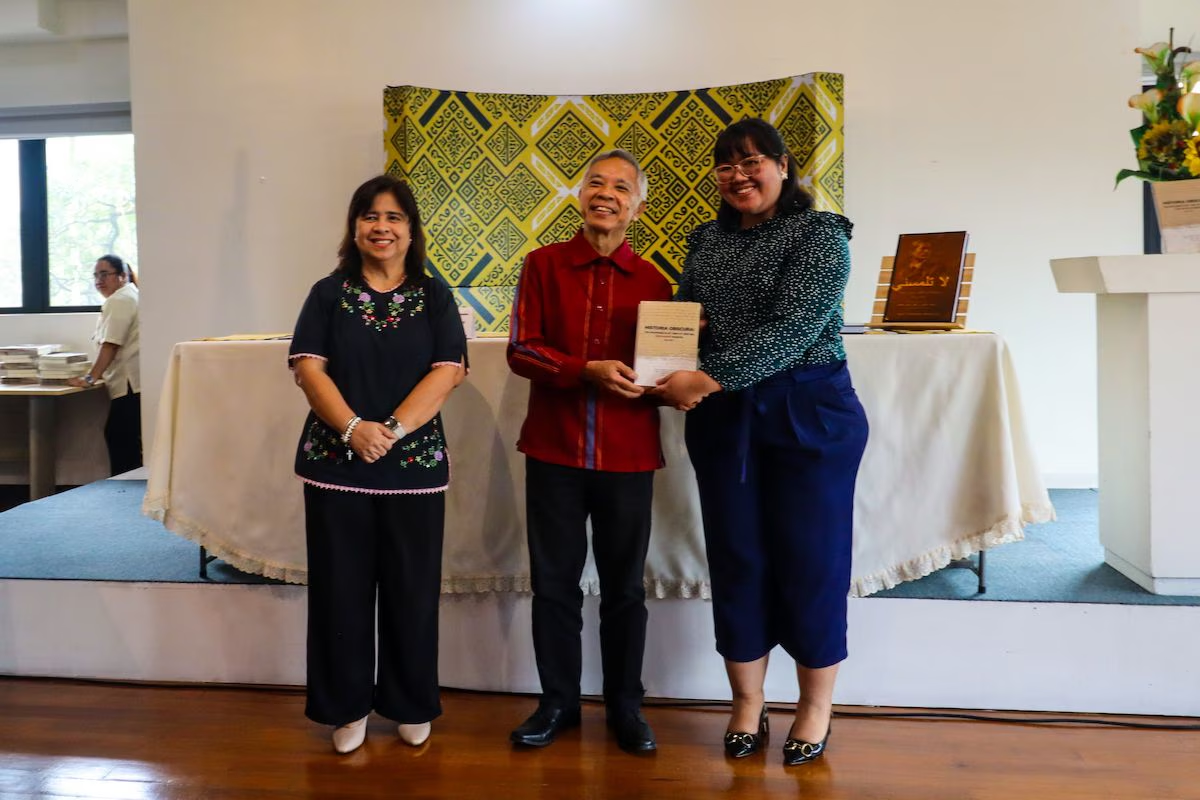
“Historia Obscura: The Philippines in the 16th and 17th Century in Portuguese Sources, Volumes 1 and 2” was published by the NHCP after the signing. Paulo Jorge de Sousa Pinto, Miguel Rodrigues Lourenço, Pedro Pinto, and Jeremy Roe wrote and edited the book, which gathers Portuguese archival materials on early Philippine history.
Researchers, scholars, and students can now more easily access vital historical materials thanks to the effort, Jose said.
Both programs are a part of larger celebrations that will culminate in Dekada ng Kasaysayan 2026: Year of Philippine Diplomatic History and Diaspora and the 2030 Year of Philippine Muslim History and Heritage. The initiatives seek to improve international participation, foster cultural interchange, and increase historical awareness.
In addition to officials from the National Library of the Philippines, the University of the Philippines Diliman, the University of Santo Tomas, Far Eastern University, and the public libraries of Quezon City and Manila, attendees included representatives from Libya, Saudi Arabia, Portugal, and Qatar.
Participating institutions were given copies of “Historia Obscura.”