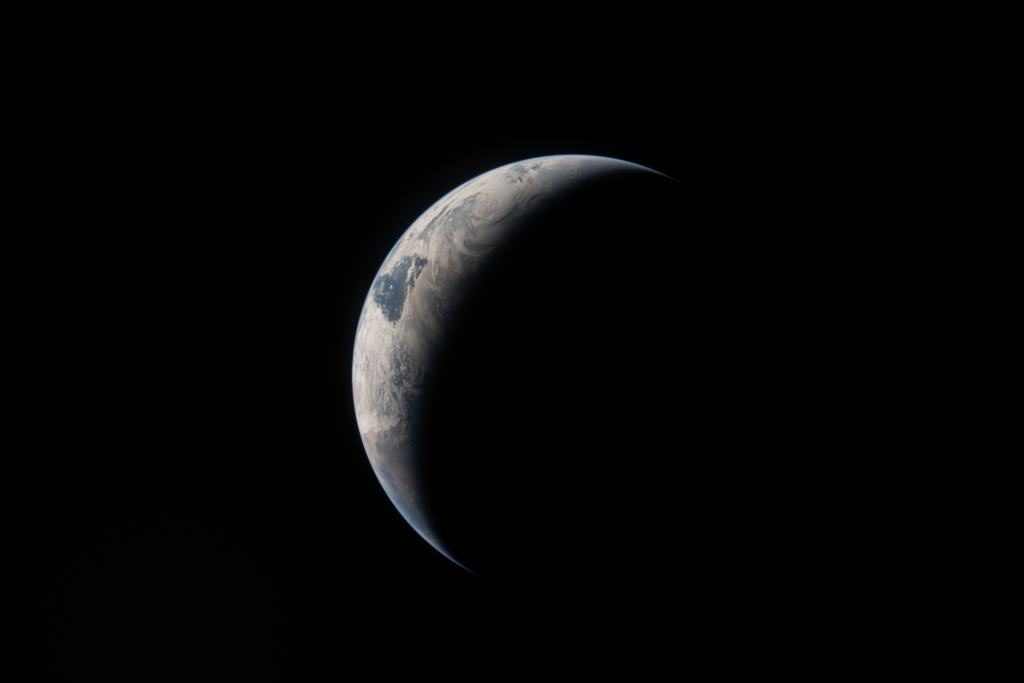
The final phase of the Artemis astronauts’ preparation for a lunar loop began on Monday, marking a sort of tipping moment when the spacecraft is now being pulled more strongly by the Moon’s gravity than by Earth’s.
The crew will now be able to go farther from our home planet than any person before as the Orion capsule whips around the Moon.
At around 12:42 p.m., the astronauts entered what NASA refers to as the lunar sphere of influence. and will soon capture the first flyby of the moon since 1972.
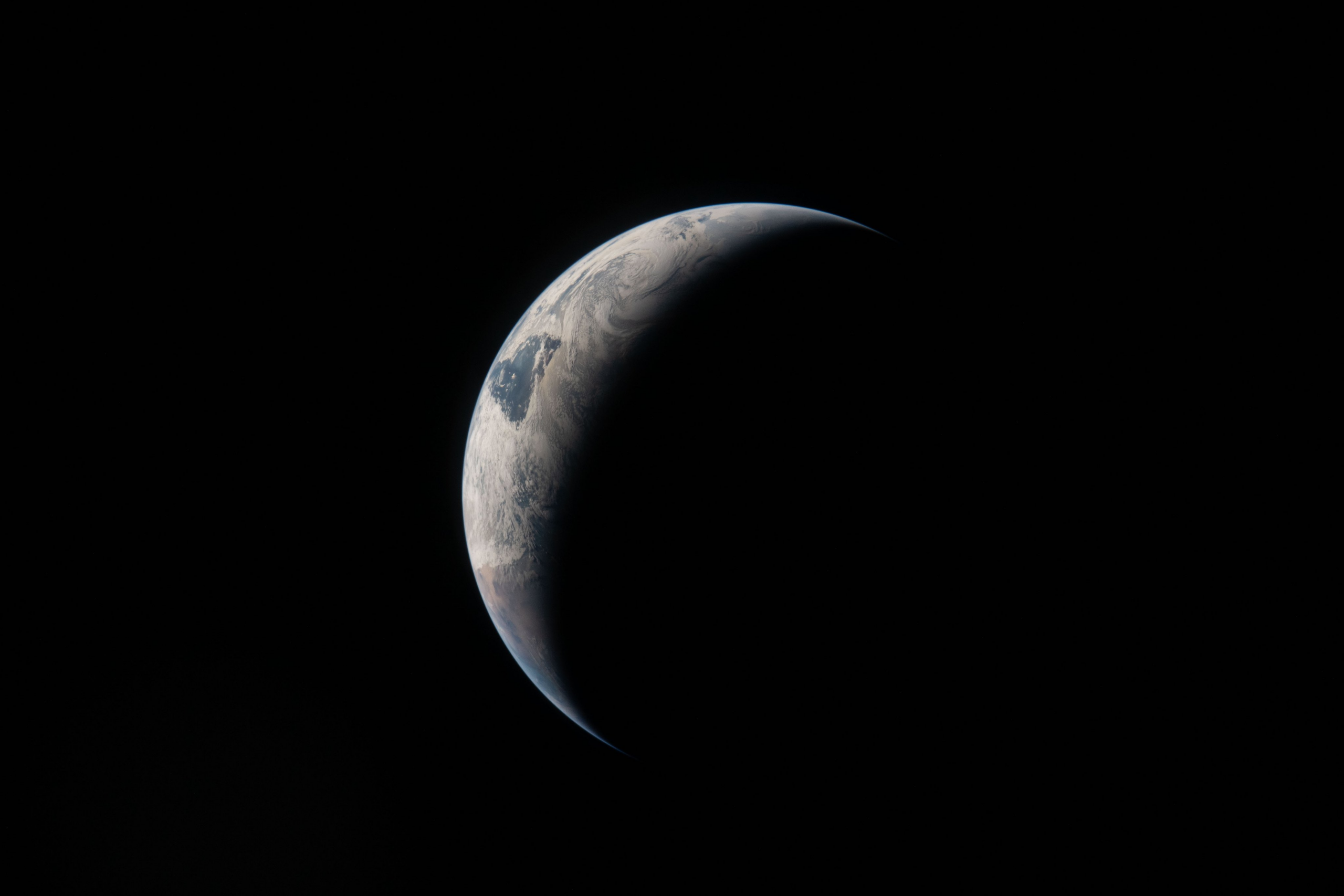
According to a NASA official on the agency’s livestream of the event, the crew was roughly 232,000 miles from Earth and 39,000 miles (63,000 kilometers) from the Moon when they entered its gravitational pull.
For the crew of three Americans and one Canadian, the momentous occasion coincides with a number of firsts. Christina Koch will be the first woman to fly around the moon, and Victor Glover will go down in history as the first person of color to do it.
Jeremy Hansen, a Canadian, will be the first non-American to do so.
Reid Wiseman, the mission commander, and those three will document the Moon during the most of their lunar flyby.
The astronauts have already begun to notice aspects of the celestial body that were previously invisible to the unaided eye.
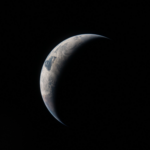
NASA released an image of a far-off Moon with the Orientale basin visible in the early hours of Sunday, obtained by the Artemis team.
Orbiting cameras had already taken pictures of the enormous bullseye-shaped crater.
Speaking to Canadian kids via space, Koch stated that the team was most thrilled to see the basin, frequently referred to as the Moon’s “Grand Canyon.”
The astronauts will see a solar eclipse near the end of their flyby, when the Sun will be behind the Moon and invisible save for the solar corona, the Moon’s outermost atmosphere.
Additionally, the four astronauts will test their “Orion crew survival system” spacesuits for a while.
In addition to protecting crew members during launch and reentry, the orange suits can supply breathing air for up to six days in an emergency.
The astronauts will test the OCSS suits’ capabilities, including how fast they can be put on and pressurized, as they are the first to wear them in space.
The four astronauts are anticipated to break the record for the furthest distance from Earth during their orbit around the moon, even though they will not land on the lunar surface.
According to NASA, the Artemis team has finished a manual piloting exercise and examined their lunar flyby plan, which includes going over the surface characteristics they need to examine and take pictures of while in orbit.