QUEZON CITY — In March 2026, the value of one peso fell to.7519 centavos, the lowest amount since 2018.
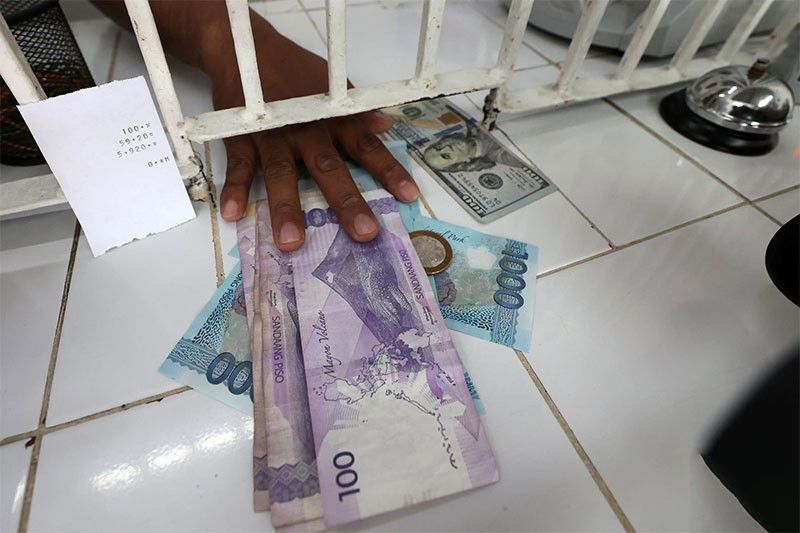
According to recent data, as inflation continued to grow, the peso’s buying power dropped to 0.7519, its lowest level in recent years.
Inflation in March 2026 was 4.1%, the highest level in almost a year, according to the Philippine Statistics Authority (PSA).
According to Usec. Claire Dennis Mapa, National Statistician and Civil Registrar General, the decrease is a direct result of higher costs for customers.
This indicates that only roughly three-fourths of the products and services that P1 could purchase in 2018 can now be purchased.
According to Sonny Africa, Executive Director of the IBON Foundation, persistent inflation is gradually devaluing the peso.
The PSA and IBON also cautioned that inflationary pressures would continue in the upcoming months, partially due to global issues including Middle East tensions that could raise fuel prices.
Africa had the same outlook.
IBON called on the government to eliminate oil excise and value-added taxes, increase subsidies, and give vulnerable sectors more financial support in order to lessen the impact.
In order to finance social assistance programs, the group also suggested levying a wealth tax on the nation’s wealthiest citizens.
The Consumer Price Index (CPI), which measures how much prices have changed since 2018, is used in the PSA’s computation. The real value of money decreases as prices grow over time, which is why the purchasing power of pesos declines.
For everyday Filipinos, this implies that daily costs like groceries, utilities, and transportation are now much more than they were eight years ago. Many customers are tightening their budgets or changing their spending patterns because even everyday goods that used to only cost a few pesos have become substantially more expensive.
In an environment characterized by unstable global energy prices and supply-chain pressures, economists say the government and central bank will have to strike a fine balance between controlling inflation and stifling growth.