ISTANBUL, Turkey — Kanyon, a white cat with grey markings who lives in an Istanbul shopping mall, has been showered with snacks, love, and affection since someone stole his basket, which has caused him to gain fat.
Countless well-wishers became aware of his situation and gave him an infinite supply of food, toys, comfortable cat house, and even his own fan-run Instagram page.
He is not alone; according to City Hall, there are over 160,000 cats on Istanbul’s streets, who are frequently fed and cared for by the 16 million people who live there.
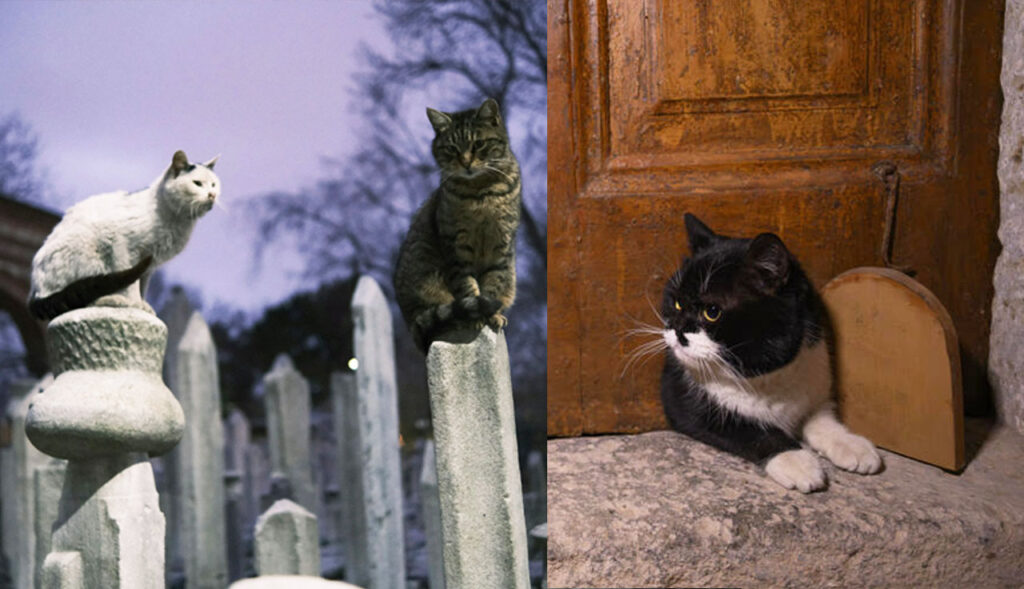
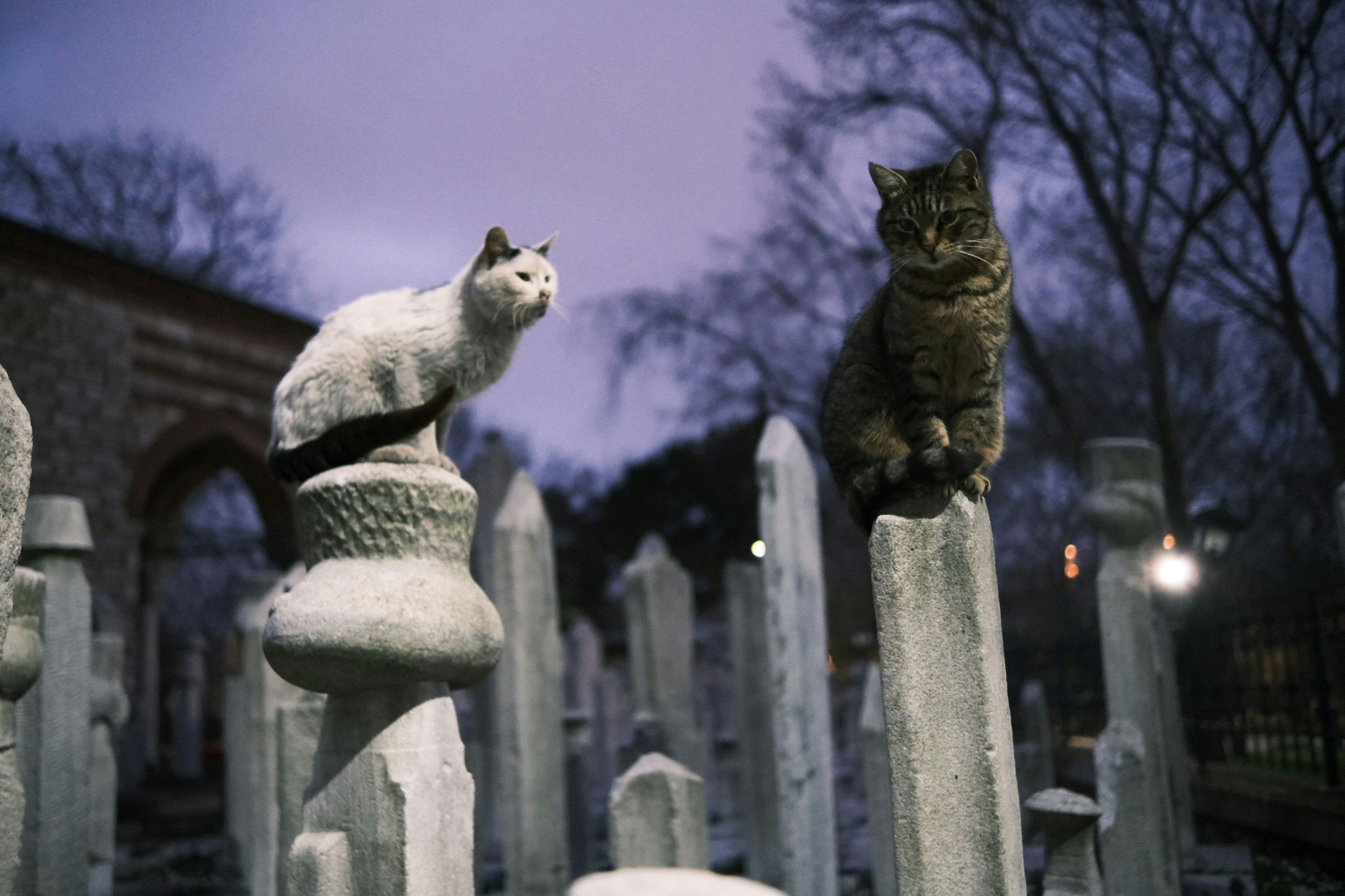
These homeless cats are treated with an almost religious devotion.
Whether on the Asian or European side of Istanbul — or the ferries connecting them — cats can be seen everywhere, snoozing on restaurant chairs, wandering through supermarkets or curled up in shop windows.
And they are rarely, if ever, disturbed.
Gaye Koselerden, 57, says, “Istanbulites love animals. Here, cats can walk into shops and curl up on the most expensive of fabrics. That’s why they call it ‘the city of cats,'” as she examines Kanyon’s toy-filled corner that looks a child’s bedroom.
FROM PRE-OTTOMAN TIMES
Many stray animals, like Kanyon, have become beloved neighborhood mascots.
In 2016, residents of Kadikoy erected a bronze statue to honor Tombili (Turkish for “chubby”), a pot-bellied cat whose signature position of resting on benches with one paw stretched over the edge gave rise to several memes on the internet.
An obituary in the Turkish press described how US President Barack Obama petted Gli, the tabby mascot of Istanbul’s sixth-century Hagia Sofia basilica-turned-mosque, during his 2009 visit.
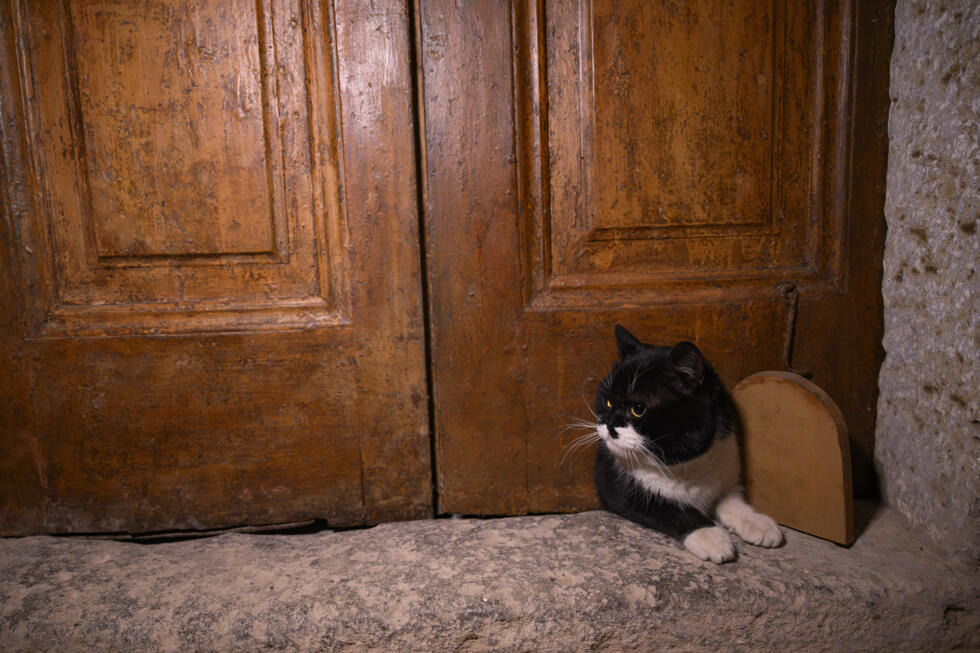
A centuries-old cat flap has recently been rebuilt at the nearby Topkapi Palace, the lavish home of the Ottoman sultans for many years.
“Cats have always been here, no doubt because they are clean and close to humans,” Ilhan Kocaman, the director of the institution, told AFP.
According to Altan Armutak, a specialist in the veterinary history department at Istanbul University, “the deep affection the Prophet Muhammad had for them” is a common explanation for why there are so many cats in the city.
“They found cats waiting to be fed outside fish stalls and butchers’ shops,” he claimed, when the Ottomans took control of Constantinople in 1453.
‘SIDE BY SIDE LIVING’
Even while City Hall is currently working to control the number of cats in Istanbul—more than 43,000 were sterilized last year, a 12-fold increase from 2015—cats still have a significant historical presence in the city six centuries later.
Additionally, the authorities worry that households’ frequently excessively liberal food handouts are promoting the proliferation of rats.
Despite making the rounds on social media, a few of these videos appear to have had limited impact.
RELATED VIDEOS