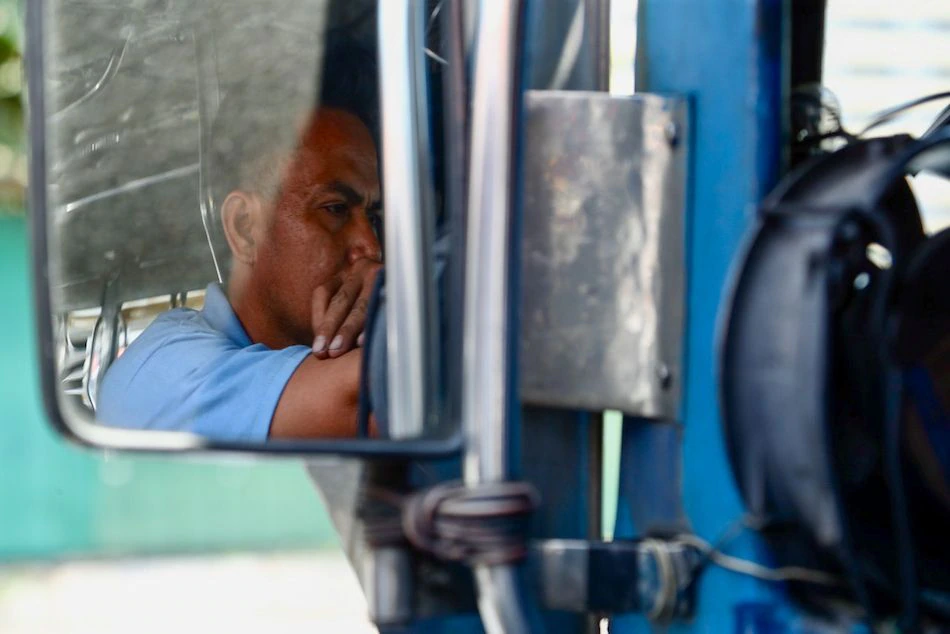
MANILA — Before starting another day of transporting commuters in Manila, Eric Helera unlocked the doors of his jeepney, cleaned the two long passenger benches, and checked the brake fluid. The sun had not yet risen.
The homemade minibus known as Princess is a component of a fleet of colorfully decorated, smoke-belching vehicles that serve as the backbone of the Philippine transportation industry, which is being severely impacted by rising fuel prices brought on by the US-Israeli conflict with Iran.
Princess, like the majority of jeepneys, is powered by diesel, whose price has reached all-time highs in the archipelago nation since the Strait of Hormuz was partially closed.
In response, Helera, 43, is driving shorter routes but working longer days. He frequently puts in 18 hours to make sure he has enough money after purchasing fuel and paying “the boundary”—the daily sum he owes the owner of the jeepney.
He could easily clear the same amount by midday prior to the Middle East conflict.
He said, “There’s been a huge adjustment at home,” referring to his two-story Manila home with his wife, seven kids, and two other families.
Helera told AFP reporters who traveled with him for a portion of the day, “My children… need money for school projects and stuff like that, and we don’t have it now.”
He claimed that a “full breakfast with rice” was now considered a luxury that should only be savored on days when one’s income was at its highest.
He calculated that just six times a day did the jeepney operate at its maximum 16-person capacity. “I need 10 passengers or more for each trip. Below that, and I don’t earn anything,” he said.
He was compelled to abandon longer routes when the passenger load did not justify the expense of diesel due to fuel spikes he described as the “most severe” he had ever witnessed.
Tuesday saw another 16% increase in costs, reaching P134.30 a liter at some pumps—the biggest amount in the nation’s history.
In an effort to alleviate the load, jeepney driver unions have been calling for fare increases; this week, one of them organized a “strike” that few drivers could afford to participate in.
Meanwhile, a day after it was announced, President Ferdinand Marcos revoked a fare increase approved by the nation’s transportation agency.
RELATED VIDEOS: